TOOLNAVIA / BUYING GUIDE
Teachable Builder vs Starter: Does 0% Fee Win Above $533/Month?
The short answer
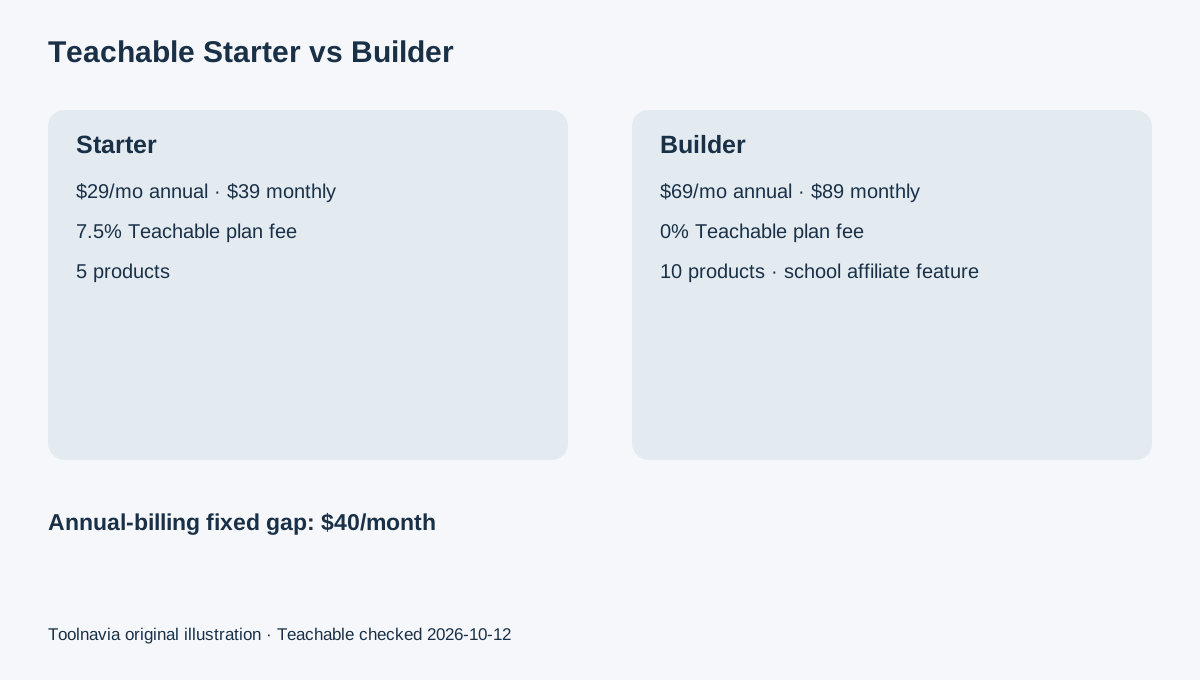
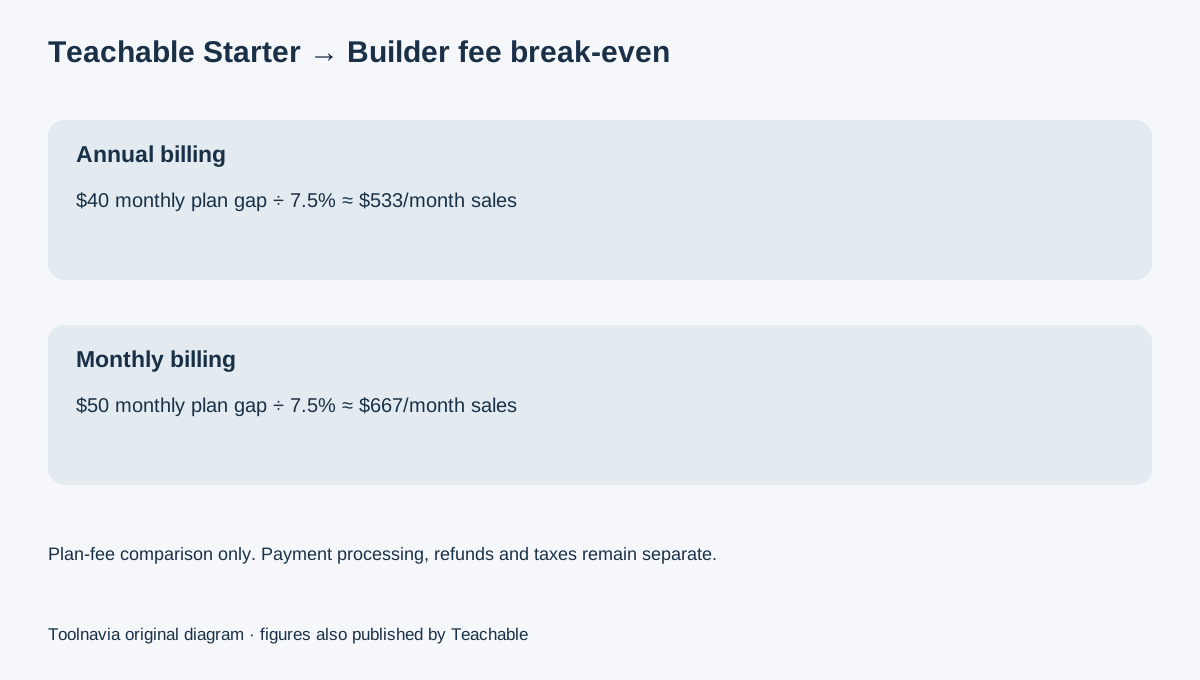
Teachable Starter costs $29 per month on annual billing and charges a 7.5% Teachable plan fee on sales. Builder costs $69 per month annually and lists a 0% Teachable plan fee. The subscription gap is $40 per month, so 7.5% of roughly $533 in monthly sales equals that $40 difference. Teachable publishes the same break-even figure in its current 2026 guidance. That makes Builder unusually easy to evaluate: below the line, Starter can still be cheaper; above it, the platform fee alone can cost more than the upgrade.
At a glance
- Best for
- Course creators above Starter's fee break-even, with more products or a need to run their own affiliate channel.
- Price model
- $69/month billed annually · $89 monthly · 0% Teachable plan fee
- Check first
- Payment-processing fees remain separate; Builder still has plan limits and does not guarantee higher sales.
The fee break-even is only the first decision
On annual billing, Starter is $29/month and Builder $69. On monthly billing, they are $39 and $89, so the subscription gap rises from $40 to $50. At a 7.5% Starter fee, the simple break-even becomes about $667/month on monthly billing. Teachable also confirms this number. These calculations compare only the Teachable plan fee with the subscription gap; normal payment-processing charges still apply on both plans. Sales mix, refunds, tax and payment-method costs can change total economics.
Builder also doubles the product limit
Starter supports five products, while Builder supports ten. That matters for creators selling several courses, downloads, coaching offers, bundles or memberships. A creator with one or two products may get no value from the extra capacity. A business already close to the five-product ceiling can justify Builder even before monthly sales reach the pure fee break-even.
Builder unlocks the creator-side affiliate feature
Teachable's current help center says school-owner affiliate tools are available on Builder and higher plans. That means a Builder school can let affiliates promote its products using tracked links and commission settings, while Starter does not include that feature. For a creator planning to recruit partners, this can be a direct growth-workflow reason to upgrade. The feature still requires the school owner to manage affiliate terms, commission settings and payouts according to the current Teachable payments workflow.
Processing fees remain separate
Teachable's September 2026 fee documentation distinguishes the Teachable plan fee from payment-processing fees. Starter's plan fee is 7.5%; Builder, Growth and Advanced are 0%. But card-processing costs are separate and can vary by gateway, country and payment method. Upgrading to Builder therefore removes the 7.5% Teachable plan fee; it does not make payments free. A buyer should model the plan upgrade using the fee that actually changes, then add processor costs separately.
Teachable's own affiliate program is strong
Teachable's public Affiliate Partner Program pays approved partners 30% recurring commission for the first year on referred subscriptions and uses a 30-day cookie. Applications are reviewed, Teachable says usually within two to three business days, and the program is managed through PartnerStack. Toolnavia has not applied or been approved, so tracking remains disabled and this article does not present an active affiliate link.
The buying rule is practical: if annual-billing monthly sales are consistently above about $533, the Starter platform fee alone can exceed Builder's $40 monthly subscription premium. If sales are lower, Builder can still make sense when the ten-product limit or school-affiliate feature solves a real need. Otherwise, Starter remains the lower fixed-cost entry point.