TOOLNAVIA / BUYING GUIDE
HostArmada Speed Reaper Unlimited Sites Guide 2026: 40GB, 6 CPU, 6GB RAM
The short answer
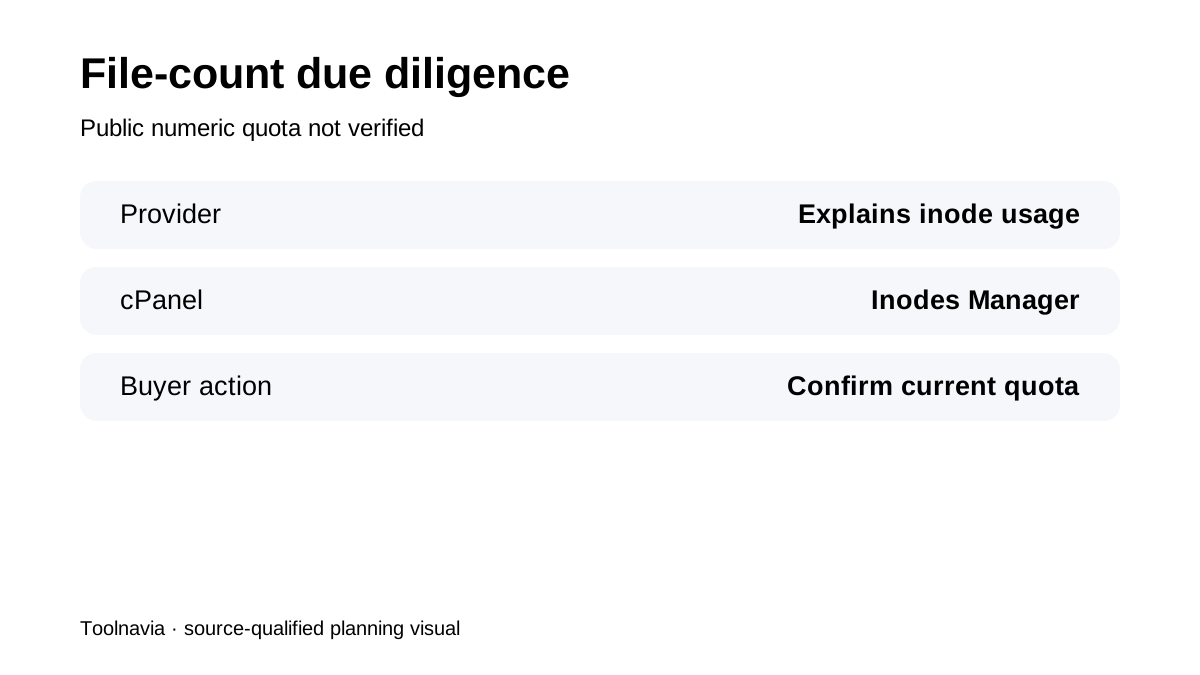
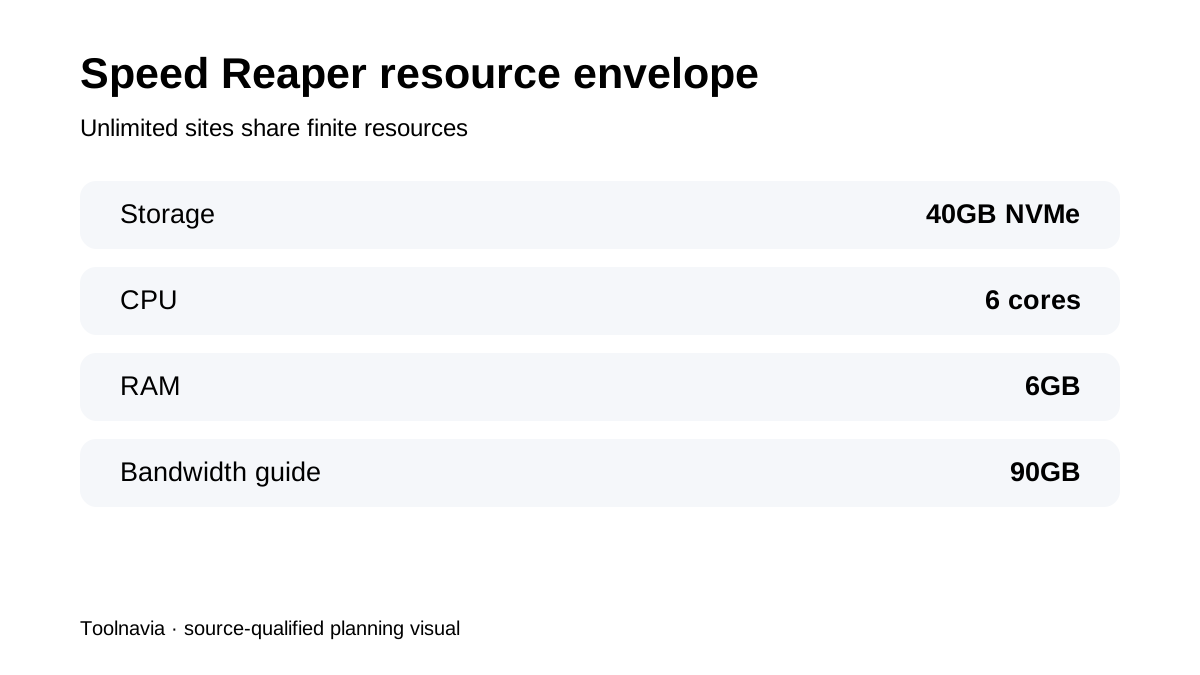
**Quick verdict:** HostArmada Speed Reaper advertises **unlimited websites**, but every site shares one finite account: **40GB NVMe, 6 CPU cores and 6GB RAM**. HostArmada also publishes a **90GB acceptable-use bandwidth estimate** for Speed Reaper. A large portfolio therefore needs real capacity planning, and the current public pricing surface does not verify a numeric Speed Reaper inode quota—confirm that number before moving a file-heavy estate.
At a glance
- Best for
- Multi-site portfolios that can manage finite storage/CPU/RAM and confirm the inode quota before migration.
- Price model
- Current Speed Reaper offer; renewal economics covered separately
- Check first
- Finite shared resources, 90GB acceptable-use guide, public numeric inode quota not verified.
Unlimited websites means permission, not infinite capacity
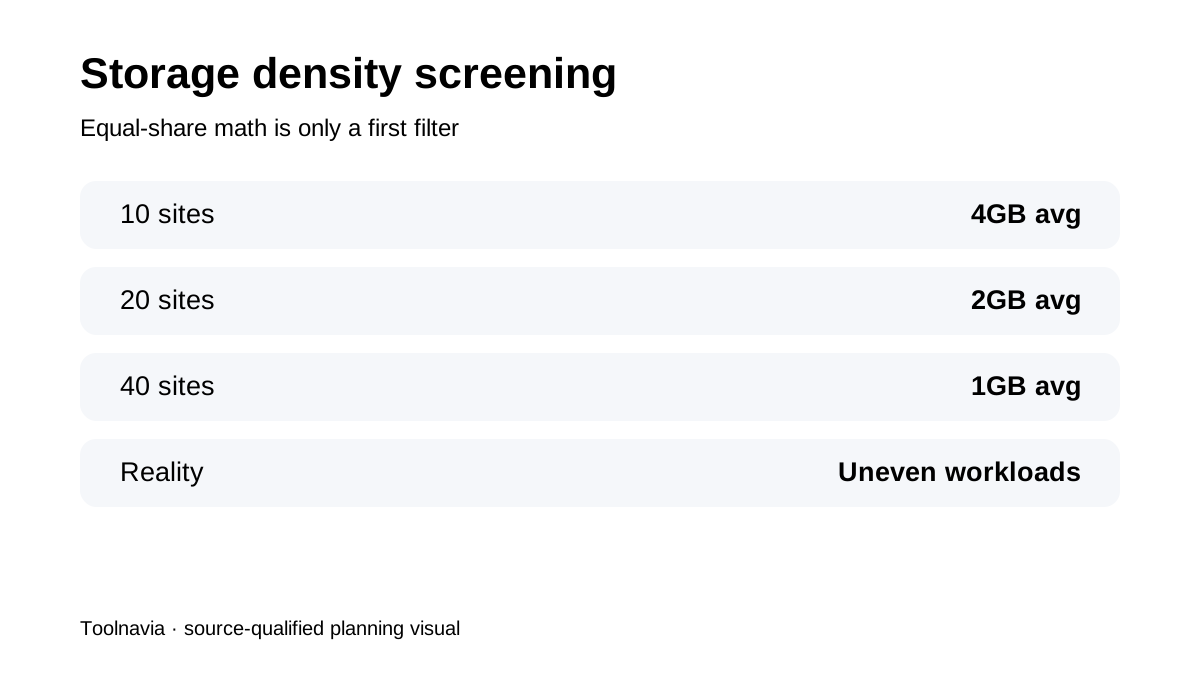
Speed Reaper currently lists unlimited websites, but all of them share the same 40GB storage, 6 CPU and 6GB RAM envelope. Simple storage screening gives **4GB/site at 10 sites**, **2GB/site at 20**, and **1GB/site at 40**. Those are not per-site entitlements. A WooCommerce store, large mailbox set or cache-heavy WordPress site can consume far more than a brochure site.
Dynamic portfolios can hit CPU/RAM before disk
Six CPU cores and 6GB RAM are generous for shared hosting, but they are still shared by every application and background job. Campaign spikes, imports, backups, search/filter plugins and uncached checkout traffic can overlap. Stagger cron jobs, remove abandoned staging copies and standardize caching before assuming that unused disk means spare performance.
The 90GB figure is a fair-use signal, not an overage meter
HostArmada says shared-hosting bandwidth is not hard-capped or automatically billed, but publishes a **90GB acceptable-use estimate** for Speed Reaper and reserves resource-policy enforcement for excessive use. Treat 90GB as a planning signal. If a portfolio consistently pushes beyond it, confirm the current policy and consider whether VPS/cloud infrastructure is a better fit instead of relying on the word “unlimited.”
File count is the missing public number
HostArmada's resource terms define inode/file-count concepts, and its cPanel guide explains Inodes Manager, common file-growth sources and cleanup. However, the current public pricing surface does **not** verify a plan-specific numeric inode allowance for Speed Reaper. That matters for portfolios with cache files, thumbnails, mailboxes and staging copies. Ask support for the current exact quota before a large migration, then monitor file count alongside storage.
21 daily backups improve recovery, not capacity
Speed Reaper currently includes **21 daily backups**. That gives a useful provider recovery calendar, but does not increase storage, CPU, RAM or bandwidth. Keep independent copies for the most critical sites and decide which site gets restored first during an incident. Recovery priority becomes an operational problem as the portfolio grows.
Use the one free migration as a real pilot
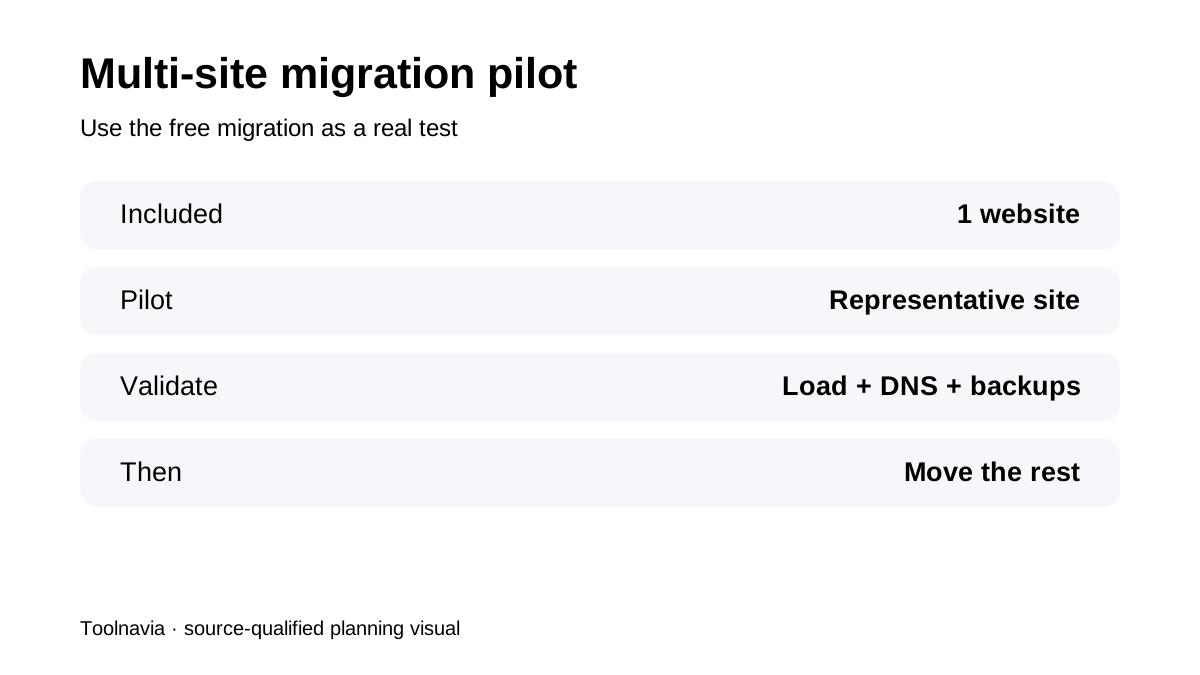
Speed Reaper currently includes **one free website migration**. For a large portfolio, use that migration on a representative site—not the easiest tiny site. Validate plugin compatibility, DNS, cache behavior, backup recovery and resource usage first. If the representative workload fits cleanly, move the rest in controlled batches.
What current reviews reinforce
OnlineDecoded, AI Tool Verdict and HostingPerk all position Speed Reaper as HostArmada's high-resource shared tier while emphasizing renewal and fair-use boundaries rather than treating unlimited marketing literally. For current resources, backup depth and acceptable-use guidance, HostArmada's first-party pages remain controlling.
**Bottom line:** Speed Reaper can consolidate a substantial portfolio, but “unlimited websites” is only a site-count permission. Practical capacity comes from 40GB, 6 CPU, 6GB RAM, traffic patterns and file count, so confirm the current inode quota before committing a large multi-site move.