TOOLNAVIA / BUYING GUIDE
pCloud Premium 500 GB + Encryption: Is $49.99/Year Worth It?
The short answer
At a glance
- Best for
- pCloud users with a defined set of sensitive files that justify provider-blind client-side encryption.
- Price model
- Crypto current USD: $49.99/year or $150 lifetime; base Premium500GB affiliate CTA remains separate
- Check first
- Crypto is a separate untracked add-on, loses WebDAV/rsync/mobile-offline convenience, and passphrase loss can be irreversible; security claims have an academic threat-model dispute.
Verdict
pCloud Premium 500 GB already gives ordinary files TLS/SSL transport protection and AES-256 server-side encryption. The separate pCloud Encryption add-on is for a narrower problem: files that you want client-side encrypted before upload and placed in a zero-knowledge Crypto Folder. The current Encryption page shows $49.99 per year or $150 lifetime. Buy it only when you have a defined set of sensitive files and accept the extra passphrase responsibility and workflow restrictions.
Standard Premium is the convenience-first option
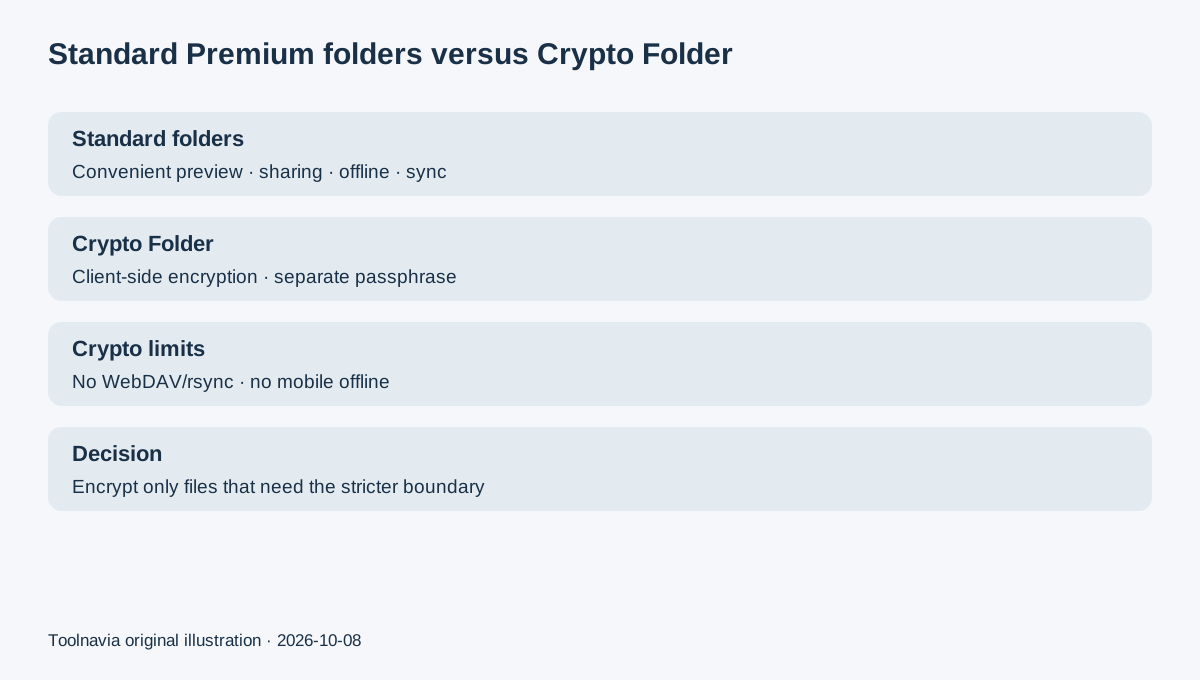
For photos, music, ordinary documents, shared project files, and material you already encrypt yourself before uploading, the base Premium workflow is simpler. pCloud's current Premium page includes previews, sharing, offline access, sync, media tools, and server-side AES-256 with TLS/SSL in transit.
Crypto is selective rather than all-or-nothing. You can leave collaboration-friendly files in ordinary folders and move tax records, identity documents, legal drafts, or other sensitive material into the Crypto Folder. That separation is useful because the encrypted compartment has different operational limits.
What the paid Crypto Folder changes
pCloud says Crypto encrypts files on the user's device before upload and that only the user holds the passphrase needed to unlock them. The company's terms state that pCloud cannot restore a lost Crypto Pass.
That shifts responsibility to the buyer. Losing the passphrase can mean losing access to the encrypted material. pCloud's help also warns that resetting the Crypto Pass removes the existing Crypto Folder contents, so a recovery plan should be tested with disposable files before sensitive originals are moved.
Crypto also changes automation and offline workflows: pCloud says the Crypto Folder cannot be accessed through WebDAV or rsync, and its Android help says Crypto Folder files cannot be made available offline on mobile. These constraints can matter more than encryption strength for scripting, NAS-style workflows, or travel without connectivity.
$49.99 annual or $150 lifetime is not an automatic three-year winner
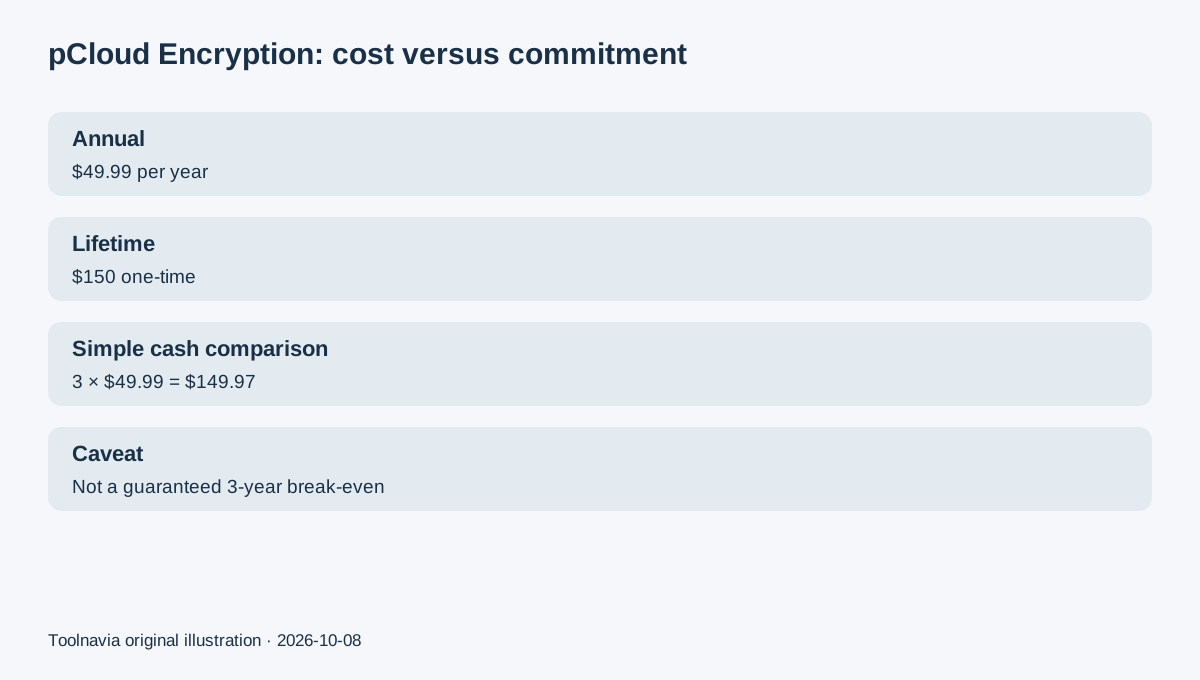
The current official Encryption page shows $49.99 per year and $150 lifetime. Three unchanged annual payments would total $149.97, only three cents below the lifetime price. That makes roughly three years the simple cash comparison point, but it is not a guaranteed break-even. Future prices, the time value of money, service changes, and your own need for Crypto can all change.
Annual is the lower-commitment choice if you have not yet lived with the Crypto workflow. Lifetime is a durability bet that makes more sense only after you know the passphrase responsibility and access restrictions fit your habits.
The current monthly page is localized and can display a different currency, so this guide does not present one USD monthly figure as universal. Recheck the live checkout immediately before paying.
Security claims need a threat-model caveat
pCloud currently markets Encryption as client-side, zero-knowledge protection and says only the user holds the key. A 2024 ETH Zurich research paper analyzed several encrypted cloud-storage systems under a malicious-server threat model and reported confidentiality and integrity attacks involving pCloud. The vendor position and the research model should both be visible to a high-assurance buyer.
This does not make Crypto equivalent to the standard folder: it still changes where encryption occurs and who normally controls the passphrase. It does mean the phrase “zero knowledge” should not be treated as an absolute guarantee against every adversarial-server scenario. Buyers with unusually high confidentiality requirements should read the research and consider whether a separately audited encryption workflow better matches their threat model.
Alternatives can include client-side encryption in the plan
Sync.com includes privacy-focused encrypted storage in its paid Solo plans rather than selling a separate Crypto-folder add-on; its current public page shows Solo Basic at $8 per user per month for 2 TB. Icedrive includes zero-knowledge client-side crypto on paid plans and currently offers a $0 Free tier for comparison. Internxt says its Free tier uses the same zero-knowledge architecture as paid plans and that annual paid plans start at €3 per month.
Those services differ in storage size, sharing, sync, automation, jurisdiction, and pricing. They are useful purchasing context, not evidence that one encryption implementation is universally stronger.
Next step
First inventory the files that genuinely need provider-blind client-side encryption. Then use Crypto with disposable samples: unlock it on desktop and mobile, test the access path you actually need, confirm that WebDAV/rsync or mobile-offline restrictions will not break the workflow, and document a safe passphrase-recovery process.
If ordinary cloud convenience is the priority, keep Premium 500 GB without Crypto. If a recurring set of sensitive files justifies the extra compartment, start with the $49.99 annual Encryption option before making the $150 lifetime commitment.
Toolnavia's approved affiliate route remains the existing pCloud Premium 500 GB base offer. The Encryption add-on itself has no exact approved affiliate offer in the current registry, so this article does not enable tracked Crypto purchasing.