TOOLNAVIA / BUYING GUIDE
CyberGhost Smart DNS for TV: Does It Bypass the 7-Device VPN Limit?
The short answer
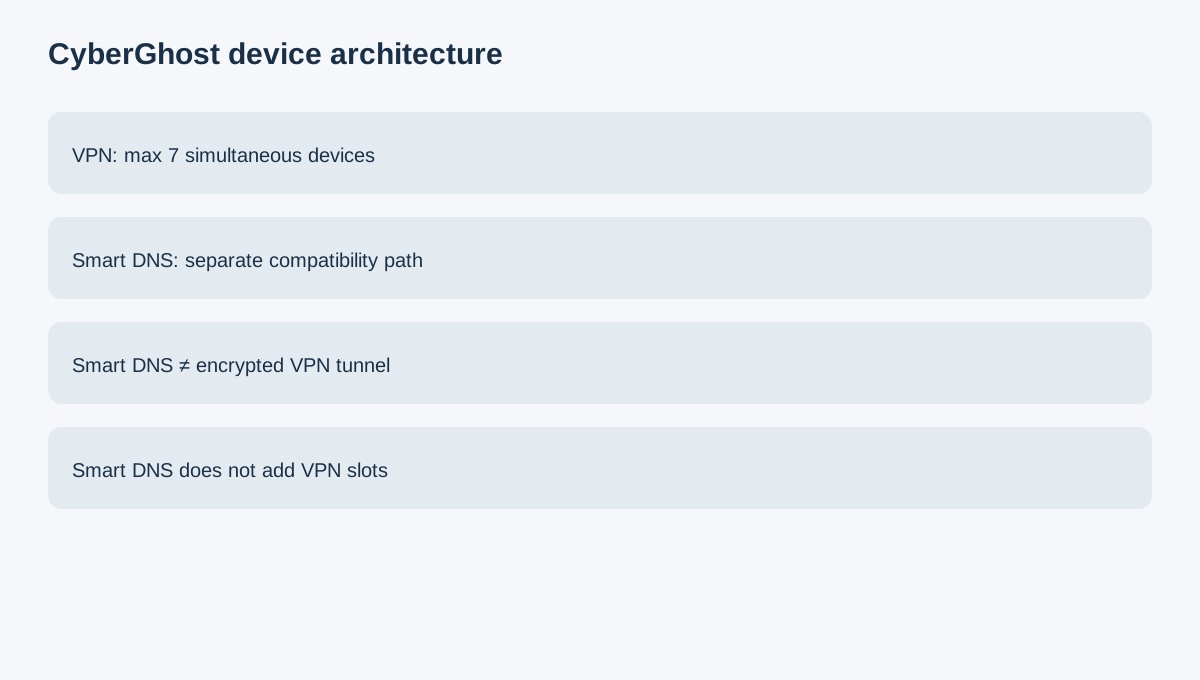
CyberGhost's seven-device rule is easy to misread when a household also uses Smart DNS. CyberGhost allows seven simultaneous VPN connections, even though the app can be installed on more devices. Smart DNS follows a different compatibility model and should not be counted as “extra VPN slots.”
At a glance
- Best for
- A household that needs CyberGhost on several active devices and wants to understand when Smart DNS is a compatibility path rather than an extra VPN slot.
- Price model
- 26-month offer $51.74 first term; household decision centers 7 simultaneous VPN devices
- Check first
- Smart DNS is not an encrypted VPN tunnel and does not increase the seven-device VPN cap.
Count encrypted VPN devices first
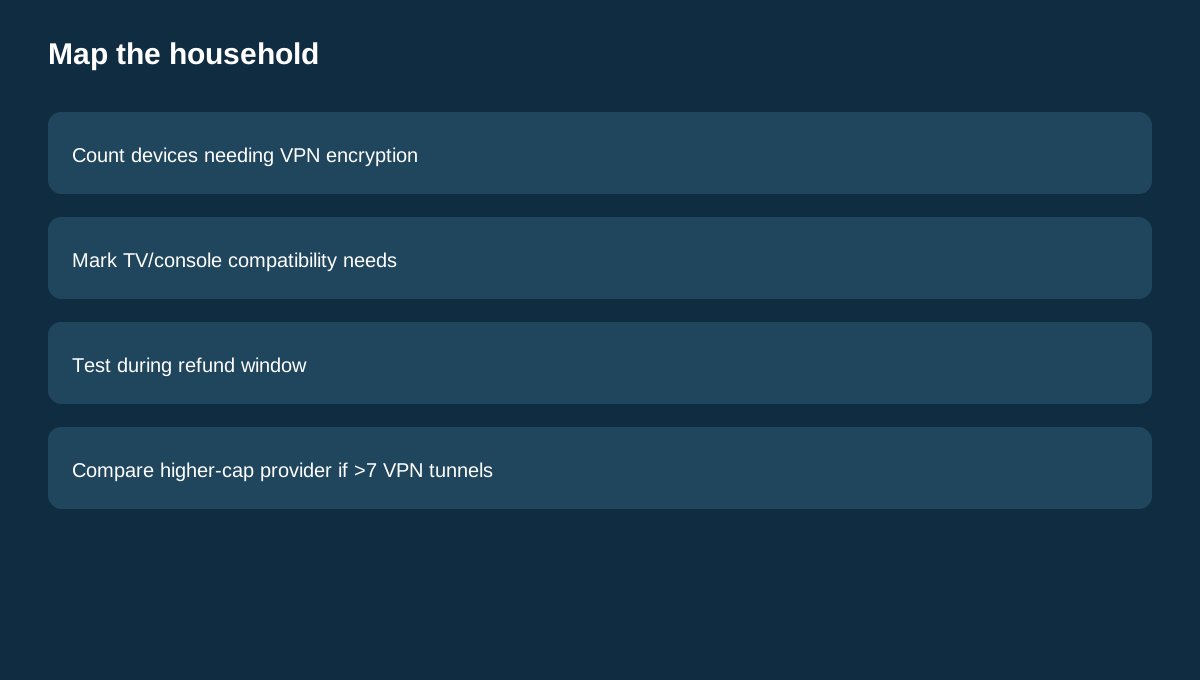
Phones, laptops and other devices that need the CyberGhost VPN tunnel should be counted against the seven simultaneous VPN connections. Installing CyberGhost on ten devices does not mean all ten can be connected at once.
Create a list of the devices that truly need VPN encryption at the same time. A dormant tablet or spare laptop does not need to consume a slot just because the app is installed.
Smart DNS solves a different problem
Smart DNS can be useful for devices such as some TVs or consoles that cannot run the full VPN app. CyberGhost documents separate same-network and external-IP rules for Smart DNS.
The important boundary is protection: Smart DNS is not the same encrypted VPN tunnel, and it does not raise the seven-device VPN cap. Use it only when its compatibility model matches the device and the security trade-off is acceptable.
Test the household during the refund window
CyberGhost's current direct long-term plans have a 45-day money-back window; the monthly plan has 14 days. Use that period to test the exact mix of phones, computers, TV/console paths and account-device management you expect to use.
Canceling auto-renew stops future charges but is separate from a refund request.
Do not infer speed or streaming results
CyberGhost publishes unlimited traffic, kill switch, leak protection and major protocol support. Those are product features, not Toolnavia performance measurements. A Smart DNS or VPN setup should be tested on the specific device and network rather than assumed to unlock a service or hit a particular speed.
Compare device capacity if seven is too small
ExpressVPN currently publishes ten simultaneous devices, while Private Internet Access advertises unlimited simultaneous devices; NordVPN provides another major household option. If eight or more devices genuinely require encrypted VPN tunnels at the same time, a provider with a higher cap can be a cleaner answer than trying to treat Smart DNS as an extra VPN slot.
Buying rule
Choose CyberGhost when seven simultaneous VPN connections are enough and Smart DNS is used only as a separate compatibility path for supported devices. If the household truly needs more than seven encrypted tunnels at once, compare a higher-cap provider instead. Verify live pricing, renewal, Smart DNS rules and device limits before checkout. The current 26-month offer remains a separate term decision.