TOOLNAVIA / BUYING GUIDE
UltaHost VPS Basic DDoS Protection: What It Covers—and What It Doesn't
The short answer
UltaHost VPS Basic includes provider-level DDoS protection, security monitoring and a managed-server layer, but those features do not make a 1GB VPS self-securing. The current two-year display is $5.52/month with 1 CPU core, 1GB DDR5 RAM and 30GB NVMe.
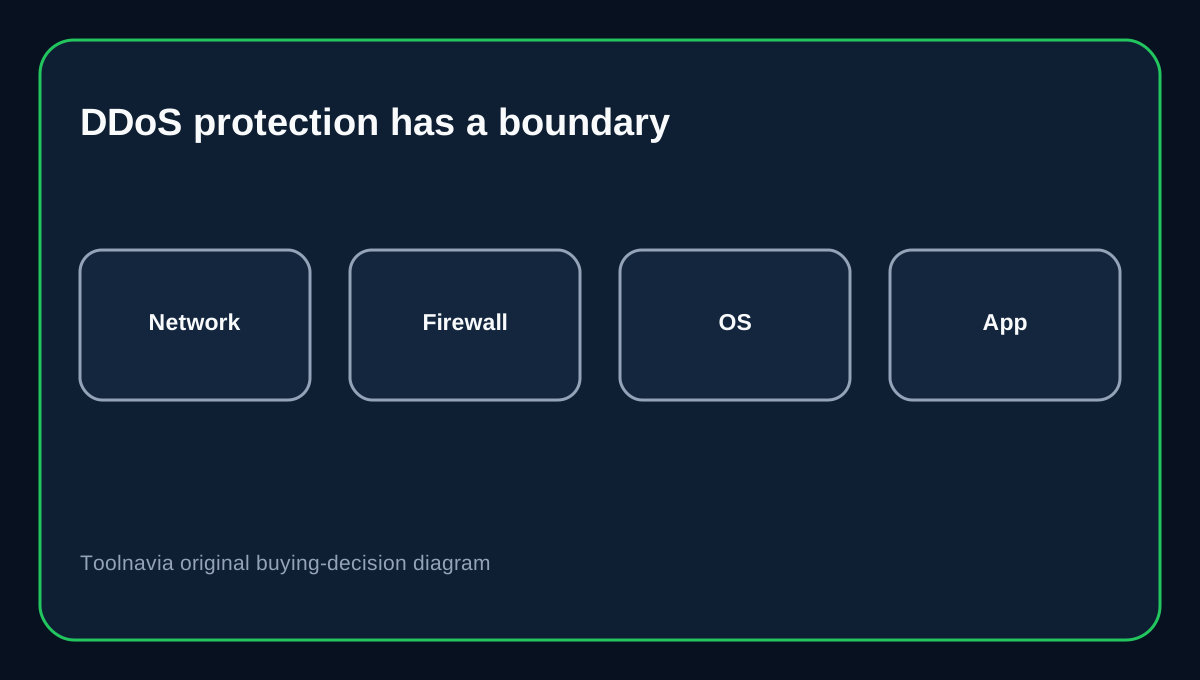
The biggest buying mistake is treating "DDoS protected" as a complete security promise. DDoS mitigation is primarily about keeping malicious traffic from exhausting availability. It does not patch WordPress, close an exposed SSH port, rotate stolen credentials or remove a vulnerable package.
At a glance
- Best for
- Budget VPS buyers who understand shared security responsibility.
- Price model
- Current two-year display $5.52/mo; live checkout and panel choice control.
- Check first
- DDoS mitigation does not replace OS/application hardening and exact capacity should be confirmed per location.
The DDoS number itself needs confirmation
UltaHost's DDoS marketing page currently contains more than one capacity figure for its protection. Rather than turning the largest number into a guarantee, confirm the protection level for the exact VPS location and network before purchase.
For a small site, the practical questions are simpler: Is mitigation always on? What attack types are covered? What happens when traffic is null-routed? Will your IP change? Is application-layer abuse handled the same way as volumetric traffic? Save the support answer with the order.
Provider firewall is not your host firewall
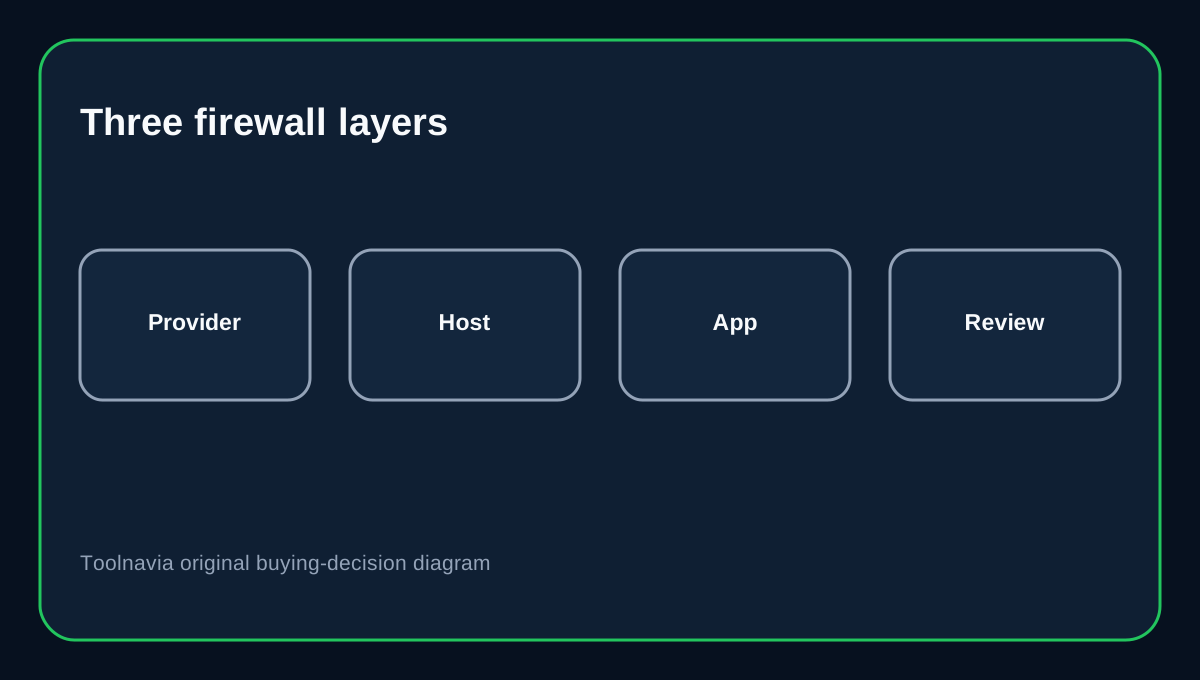
UltaHost describes firewalls and anti-malware as part of its standard VPS security stack. That protects the platform, but a VPS still has its own operating-system attack surface. If SSH, a database port or an admin panel is open publicly, upstream DDoS protection does not make that service safe.
Ubuntu's own server documentation treats firewall policy as an explicit administrator control. Restrict inbound ports to what the application needs, use allowlists for admin services where practical, and verify that a new deployment has not silently opened another listener.
BitNinja and monitoring reduce risk, not responsibility
UltaHost says its VPS environment uses BitNinja, DDoS protection and custom monitoring tools. Those layers can block malicious traffic, flag suspicious behavior and reduce common abuse.
They do not tell you whether your CMS plugin is vulnerable, whether an API key was committed to a repository, or whether a local administrator laptop has been compromised. Treat platform security as one layer in a shared model.
Patch and SSH hygiene still matter
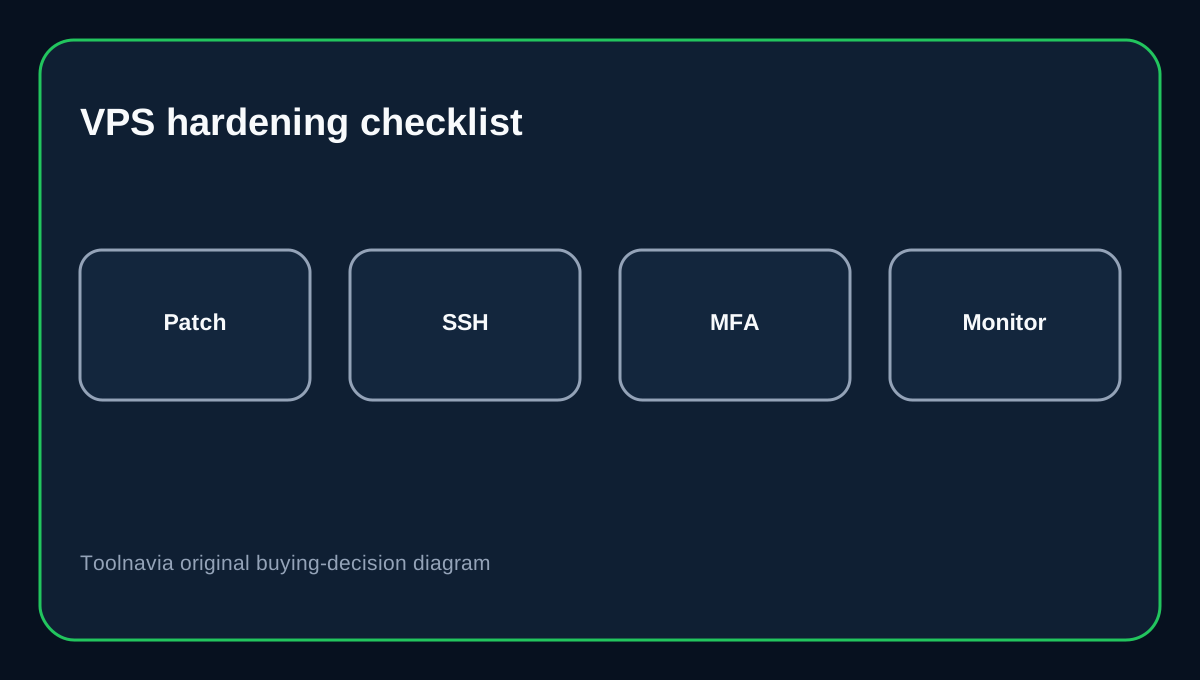
UltaHost's own hardening guidance tells VPS owners to keep software updated, harden SSH, configure firewalls, apply least privilege and monitor the server. That is important evidence: the provider itself does not describe DDoS protection as a replacement for system administration.
Disable unused accounts, prefer SSH keys, avoid password login when possible, keep root access limited, and review failed-login and package-update logs. Strong MFA and timely updates are also consistent with CISA's baseline recommendations.
One gigabyte of RAM changes the security tradeoff
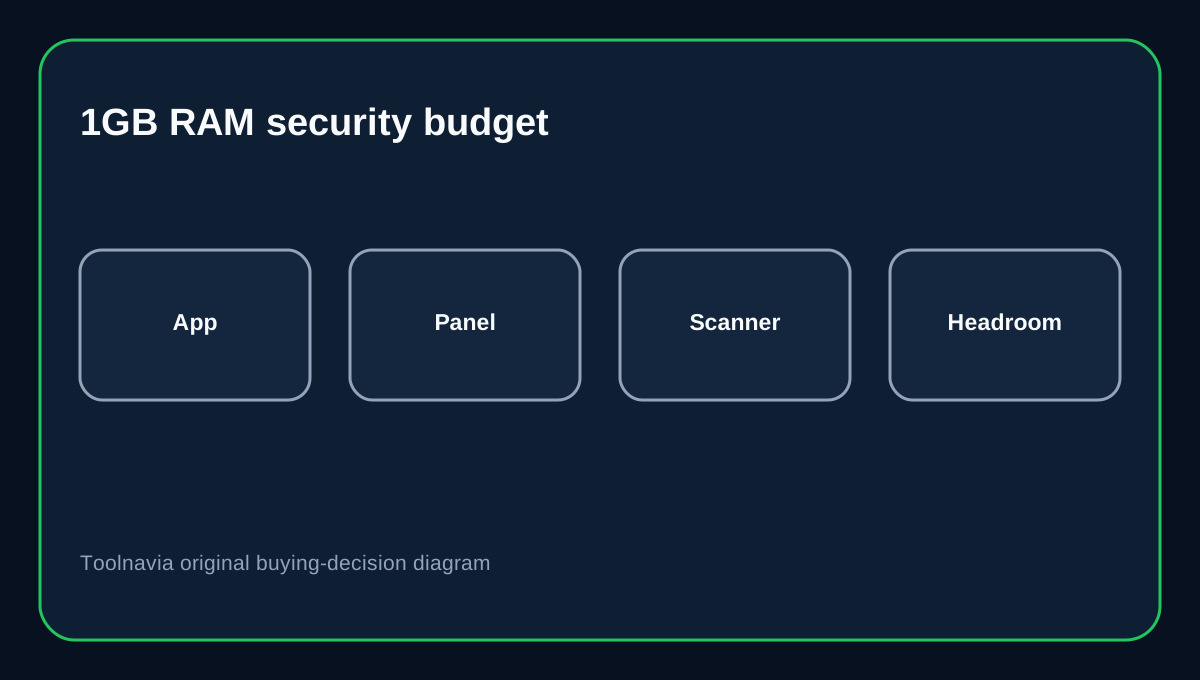
VPS Basic has 1GB RAM. Security agents, malware scanners, control panels and application services all consume memory. Adding every possible daemon to feel "more secure" can create swapping, failed jobs or instability.
Choose the minimum useful security stack, monitor memory after changes, and move up a tier if the production workload cannot run its application and security controls comfortably together.
What to ask support before checkout
Confirm the DDoS policy for your location, whether mitigation is automatic, the process during a sustained attack, which firewall controls are provider-side versus yours, what malware monitoring is included, and which hardening changes support will help implement. Also confirm whether the selected control panel changes the price; cPanel and Plesk variants can cost more than the base VPS.
Buying decision
VPS Basic is attractive when you want a low-cost managed VPS with infrastructure DDoS protection and you are willing to own operating-system and application hardening. It is a poor fit if you expect the host's DDoS badge to replace patching, firewall policy, credential security or incident response.
Affiliate disclosure: Toolnavia may earn a commission from an eligible UltaHost purchase. The security-responsibility boundary does not change based on commission.